
Eating gluten-free doesn’t mean settling for crumbly bread, dry cakes, or dense pancakes. With the right ingredients and techniques, you can recreate the same soft, chewy, and airy textures that make traditional recipes so satisfying. This guide walks you through practical strategies and delicious recipes that prove gluten-free food can be just as indulgent—if not better.
Why Texture Is the Biggest Challenge in Gluten-Free Cooking
Gluten acts as a structural protein that gives elasticity and chewiness to baked goods. Without it, recipes can fall flat—literally and figuratively.
Common Issues
- Dryness due to lack of moisture retention
- Crumbly structure from weak binding
- Dense texture caused by poor rise
- Grittiness from certain gluten-free flours
The solution lies in combining ingredients strategically to mimic gluten’s properties.
Key Ingredients That Improve Texture
1. Use Flour Blends, Not Single Flours
Relying on just one gluten-free flour often leads to disappointing results.
Best combinations include:
- Rice flour + tapioca starch + potato starch
- Almond flour + arrowroot powder
- Oat flour + cornstarch
Blends balance structure, softness, and elasticity.
2. Add Binding Agents
Without gluten, you need substitutes that hold everything together.
Top binders:
- Xanthan gum – Adds elasticity
- Guar gum – Improves softness
- Psyllium husk – Creates a bread-like chew
3. Boost Moisture
Gluten-free flours absorb more liquid, so hydration is critical.
Moisture boosters:
- Yogurt or buttermilk
- Applesauce
- Mashed banana
- Eggs (or flax eggs for vegan options)
4. Don’t Skip Fat
Fat enhances tenderness and mouthfeel.
- Butter, oil, or coconut oil helps prevent dryness
- Adds richness similar to traditional recipes
Soft Gluten-Free Sandwich Bread
Ingredients
- 2 cups gluten-free flour blend
- 1 tsp xanthan gum (if not included in flour)
- 1 tbsp sugar
- 1 packet instant yeast
- 1 tsp salt
- 1¼ cups warm water
- 2 tbsp olive oil
- 2 eggs
Instructions
- Mix dry ingredients in a bowl.
- Add wet ingredients and beat until smooth (dough will be sticky).
- Transfer to a greased loaf pan.
- Let rise for 30–40 minutes.
- Bake at 180°C (350°F) for 35–40 minutes.
Texture Tip
Beat the batter well—unlike wheat dough, gluten-free bread benefits from more mixing to trap air.
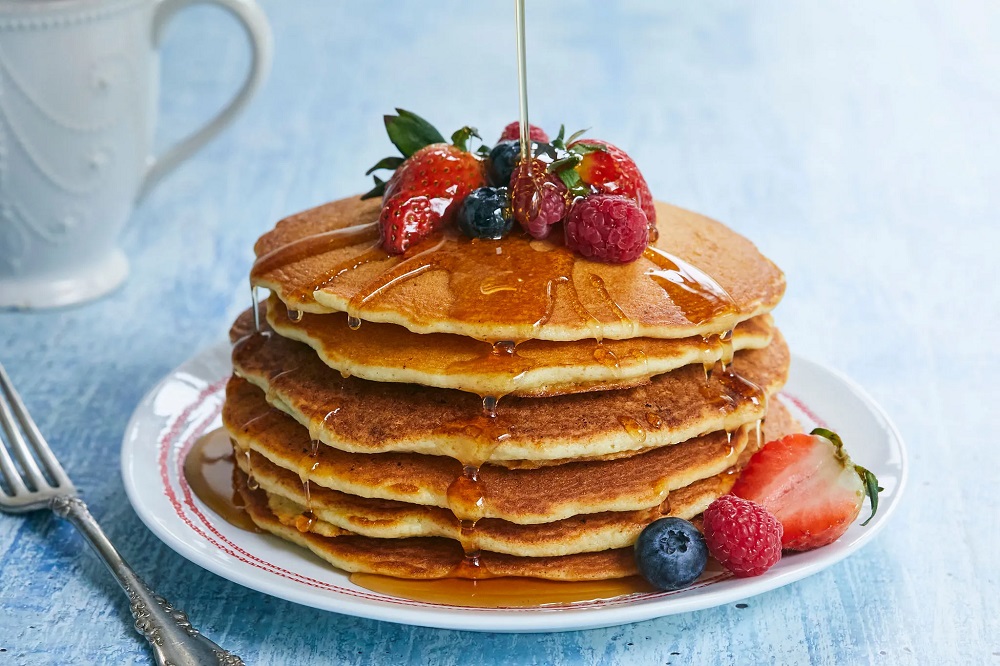
Fluffy Gluten-Free Pancaker
Ingredients
- 1 cup gluten-free flour blend
- 1 tbsp sugar
- 1 tsp baking powder
- ½ tsp baking soda
- 1 cup buttermilk
- 1 egg
- 2 tbsp melted butter
Instructions
- Combine dry ingredients.
- Whisk wet ingredients separately.
- Mix gently—do not over-stir.
- Cook on a medium-heat pan until bubbles form, then flip.
Texture Tip
Let the batter rest for 5–10 minutes to hydrate the flour and improve fluffiness.
Chewy Gluten-Free Chocolate Chip Cookies
Ingredients
- 1½ cups gluten-free flour blend
- ½ tsp baking soda
- ½ cup butter
- ¾ cup brown sugar
- 1 egg
- 1 tsp vanilla
- 1 cup chocolate chips
Instructions
- Cream butter and sugar until fluffy.
- Add egg and vanilla.
- Mix in dry ingredients.
- Fold in chocolate chips.
- Bake at 175°C (350°F) for 10–12 minutes.
Texture Tip
Use brown sugar—it retains moisture and creates a soft, chewy center.
Practical Tips for Perfect Texture Every Time
- Measure carefully – Gluten-free baking is less forgiving
- Rest your batter – Hydration improves consistency
- Use room temperature ingredients – Ensures even mixing
- Avoid overbaking – Gluten-free goods dry out quickly
- Experiment gradually – Small tweaks can make a big difference
Common Mistakes to Avoid
- Using only one type of flour
- Skipping binding agents
- Not adding enough liquid
- Expecting dough to feel like wheat dough
- Ignoring resting time
Final Thoughts
Gluten-free cooking is less about restriction and more about understanding how ingredients work together. Once you master the balance of structure, moisture, and binding, you’ll be able to recreate your favorite recipes with textures that feel just right—soft, chewy, and satisfying.
Frequently Asked Questions (FAQs)
1. What is the best gluten-free flour for beginners?
A pre-made gluten-free flour blend is the easiest and most reliable option for consistent results.
2. Why is my gluten-free bread so dense?
It’s usually due to insufficient rising, lack of binding agents, or too little hydration.
3. Can I skip xanthan gum in recipes?
Yes, but you’ll need alternatives like psyllium husk or chia seeds to maintain structure.
4. How do I make gluten-free baked goods less dry?
Increase moisture using ingredients like yogurt, eggs, or fruit purées.
5. Do gluten-free batters need resting time?
Yes, resting allows the flour to absorb liquids, improving texture significantly.
6. Can I make gluten-free recipes vegan as well?
Absolutely—use flax eggs, plant-based milk, and oil instead of butter.
7. Why do my gluten-free cookies crumble easily?
This often happens when there’s not enough fat or binding agent in the dough.
