
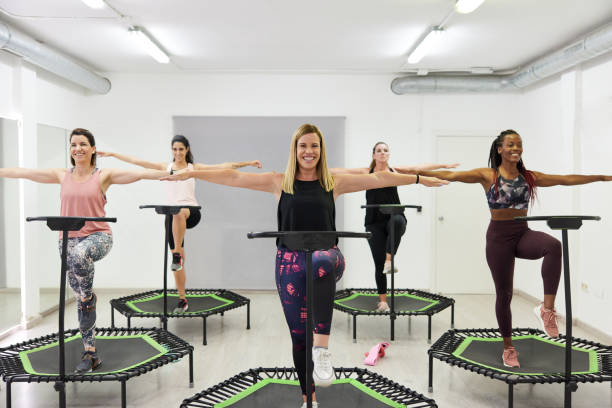
The fitness conversation in Singapore tends to stop at the workout. People invest real effort in choosing their classes, booking their sessions, and showing up consistently, but they pay very little attention to what they eat before and after their training. This is a significant oversight because the nutritional choices you make in the hours surrounding your workout directly determine how much energy you have during the session, how effectively your muscles recover afterward, and how quickly you see the results you are working toward. If you are attending a trampoline class Singapore and regularly feeling sluggish mid-session, nauseous during high-intensity bouncing, or disproportionately fatigued the following day, the issue is almost certainly nutritional rather than fitness-related.
Trampoline fitness has specific nutritional considerations that differ from conventional gym training or steady-state cardio, and those differences are worth understanding. The bouncing, rotational, and multi-directional movement involved in a trampoline class creates a dynamic relationship between your gastrointestinal system and your workout that you do not encounter to the same degree on a treadmill or in a weight room.
Why Nutrition Timing Matters Differently for Trampoline Fitness
In most forms of cardio, the main nutritional risk of poor timing is simply insufficient energy: you start the session underfuelled and fade early. In trampoline fitness, there is an additional consideration. The vertical acceleration and deceleration of bouncing, combined with the rotational movements in formats like xBOUNCE Dance Beats, means that a poorly timed heavy meal sits literally in your stomach and moves with you in ways that are deeply uncomfortable. Nausea and cramping are the most common reasons new trampoline fitness participants have a negative first class experience, and they are almost entirely preventable with appropriate nutritional timing.
The stomach takes between one and four hours to empty its contents into the small intestine, depending on the composition of the meal. High-fat meals empty most slowly. High-fibre meals clear relatively slowly. High-carbohydrate, low-fat, low-fibre meals empty most quickly and are therefore the most appropriate pre-trampoline nutrition choice when time before your class is limited.
The Pre-Class Eating Window: Timing and Composition
Two to three hours before class: This is the optimal window for a full pre-workout meal. At this interval, you have enough time to digest the majority of what you eat, arriving at the class with available fuel in your bloodstream rather than undigested food in your stomach. A meal in this window can afford to be moderately substantial and can include a reasonable balance of carbohydrate, protein, and some fat.
One to one and a half hours before class: This window calls for something smaller and easier to digest. The carbohydrate portion should be predominant, the protein should be moderate and from an easily digested source, and fat should be minimal. This is not the time for a plate of nasi lemak with extra sambal and fried chicken.
Less than one hour before class: Stick to simple, rapidly digested carbohydrates only, with minimal protein and essentially no fat. This window is about topping up blood glucose without adding digestive burden.
Best Pre-Class Food Choices Available in Singapore
The good news for Singaporeans is that the local food landscape is genuinely well-suited to appropriate pre-workout nutrition once you know what to look for. Singapore’s hawker centres, kopitiam stalls, NTUC FairPrice, Cold Storage, and convenience stores all offer pre-class fuelling options that are both appropriate and accessible.
If eating two to three hours before class, the following hawker centre options work well:
- Yong tau foo soup without the fried items provides a good balance of carbohydrate from the tofu skin and wonton wrappers, moderate protein from the fish paste fillings, and low fat. The broth provides hydration alongside fuel.
- Chicken porridge (congee) is easily digested, carbohydrate-forward, and light on the stomach. The chicken provides moderate protein without excessive fat.
- Wonton noodle soup with a clear broth is a solid option. Choose the steamed wonton rather than the fried version to keep fat content lower.
- Plain bee hoon or koay teow soup with fish cake and vegetables provides carbohydrate energy with minimal fat load.
If eating 60 to 90 minutes before class, smaller and simpler options are better:
- A slice of wholemeal bread with half a banana provides quick carbohydrate with a modest potassium boost, which supports muscle contraction during the session.
- A small bowl of oats from a convenience store with minimal toppings.
- A carton of chocolate low-fat milk provides an accessible carbohydrate and protein combination in a liquid form that absorbs quickly.
- A plain roti prata without curry sauce is surprisingly workable if it is the only option available, as it digests faster than it might seem.
If eating 30 to 45 minutes before class:
- Half a banana alone.
- A small packet of wholegrain crackers.
- A small serving of applesauce or fruit puree.
- A sports gel if you use them.
What to avoid before any trampoline class in Singapore:
- Large portions of anything, regardless of composition.
- Char kway teow, nasi lemak, roti prata with curry, laksa, and other high-fat local favourites eaten immediately before class.
- High-fibre items like raw vegetables, legumes, and bran-heavy foods that slow gastric emptying significantly.
- Carbonated drinks that introduce gas into the stomach.
- Alcohol, which impairs coordination, balance, and thermoregulation, all of which are directly relevant to trampoline fitness performance.
Understanding the Energy Demands of Different xBOUNCE Class Formats
Not all xBOUNCE classes make the same energy demands, and your pre-class nutrition can be calibrated accordingly.
xBOUNCE Foundations is the lowest-intensity format, making it the most forgiving in terms of pre-class nutrition. A smaller pre-class meal is entirely sufficient, and the digestive sensitivity concern is lower because the bouncing patterns are gentler.
xBOUNCE Strong Core sits at intermediate intensity. The sustained stabilisation demands and targeted core movements mean your muscles need adequate available glycogen, so arriving moderately fuelled matters more here than in Foundations.
xBOUNCE Dance Beats is intermediate to moderately high intensity with continuous movement sustained over the class duration. Carbohydrate availability is important here because the rhythmic, sustained bouncing draws significantly on muscle glycogen stores.
xBOUNCE Ignite is the highest-intensity format with explosive intervals. This class makes the greatest energy demands and is the one for which pre-class carbohydrate loading matters most. Arriving under-fuelled to an Ignite session will produce a noticeably degraded performance in the second half of the class, when glycogen reserves begin to run low.
Post-Class Recovery Nutrition for Trampoline Fitness in Singapore
The post-workout nutrition window matters as much as the pre-workout window, though it is even more commonly overlooked. After a trampoline fitness class, two parallel recovery processes are underway simultaneously: muscle glycogen replenishment and muscle protein synthesis. Both processes are most efficient in the 30 to 60 minutes immediately following the end of the session, often called the anabolic window, though research suggests this window is somewhat wider than originally thought.
For glycogen replenishment, carbohydrate is the primary requirement. For muscle protein synthesis, which repairs the microscopic damage created during the workout and builds strength adaptations, protein providing all essential amino acids is needed. The optimal post-workout recovery nutritional approach combines both in a ratio of approximately three to four grams of carbohydrate per gram of protein.
Post-class recovery options available across Singapore:
- Kopitiam teh tarik with a hard-boiled egg and two slices of kaya toast is one of the most classic Singapore post-workout recovery combinations that nobody ever markets as such. The bread provides carbohydrate, the eggs provide complete protein, and the tea provides caffeine that has documented post-exercise recovery benefits.
- Low-fat chocolate milk has been extensively studied as a post-workout recovery beverage and performs comparably to commercial sports recovery drinks in multiple clinical trials. It is available at NTUC FairPrice, 7-Eleven, and most convenience stores across Singapore.
- A bowl of chicken rice with clear chicken soup makes an excellent post-class recovery meal if the session is in the evening and a full meal is appropriate. The rice provides carbohydrate replenishment and the steamed chicken provides high-quality protein without excessive fat.
- Greek yoghurt with sliced banana from Cold Storage or FairPrice provides a fast, balanced recovery option that requires no preparation. The yoghurt delivers protein and calcium, the banana provides quick carbohydrate and potassium.
- A protein shake blended with oats and banana, for those who use protein supplements, is the most nutritionally precise post-workout option in terms of controlling macronutrient ratios.
Hydration in Singapore’s Humidity: The Variable That Changes Everything
TFX Singapore year-round heat and humidity create hydration demands that many people underestimate significantly. Sweat rates during a 45-minute trampoline fitness class in an air-conditioned studio are lower than exercising outdoors in Singapore’s heat, but they are still substantial, and the cumulative fluid deficit across a day of inadequate baseline hydration arriving at class already semi-dehydrated is extremely common.
Practical hydration guidance for Singapore trampoline class participants:
- Drink at least 500ml of plain water in the two hours before class, not immediately before class in one go, which sits uncomfortably during bouncing.
- Bring a 750ml water bottle to class and sip 150 to 200ml at natural breaks throughout the session.
- After class, drink 500 to 750ml of fluid over the following 60 minutes to replace sweat losses and support the post-workout metabolic processes that require adequate hydration.
- Electrolyte replacement is relevant for sessions where sweating is heavy. Coconut water, which is readily available across Singapore, provides a natural source of potassium and sodium without the artificial additives of commercial sports drinks.
Frequently Asked Questions
Q: Is it ever acceptable to train on an empty stomach before a trampoline class in Singapore?
A: Fasted training before trampoline fitness is generally not advisable, particularly for moderate to high-intensity formats like xBOUNCE Dance Beats or xBOUNCE Ignite. The dynamic, multi-directional movement of a bounce class draws heavily on blood glucose and muscle glycogen, and training with depleted stores leads to earlier fatigue, reduced coordination, and a higher perceived exertion. If an early morning class prevents a full meal beforehand, at minimum consume a small amount of fast-digesting carbohydrate such as half a banana 20 to 30 minutes before the session.
Q: Does coffee before a trampoline class help or hurt performance?
A: Caffeine is one of the most studied ergogenic aids in sports science and has consistent evidence for improving exercise performance, including cardiovascular endurance and power output, at doses of roughly three to six milligrams per kilogram of body weight. A standard kopitiam kopi provides approximately 80 to 120mg of caffeine, which is within the beneficial range for most adults. The important caveat is timing: consuming coffee 45 to 60 minutes before class allows the caffeine to peak in your bloodstream at the right moment. Drinking coffee immediately before the session, or so close to class that the combined stomach contents create discomfort during bouncing, negates the benefit.
Q: Should I take protein supplements specifically for trampoline fitness recovery?
A: Protein supplements are a convenient option but not a nutritional necessity if you are eating adequate whole food protein from meals across the day. The total daily protein intake matters more than any single post-workout dose, and most Singaporeans who eat a varied diet including meat, fish, eggs, or legumes are consuming sufficient protein for the recovery demands of two to three weekly trampoline classes. Supplements become genuinely useful when meal timing makes consuming adequate protein from whole foods impractical around your training schedule.
Q: Are there specific foods that help reduce muscle soreness after an xBOUNCE class?
A: Several foods have evidence for reducing exercise-induced muscle inflammation and soreness. Tart cherry juice has the strongest research base among whole food options. Turmeric, commonly available in Singapore’s spice-rich food culture and as a supplement, has documented anti-inflammatory properties through its curcumin content. Oily fish such as salmon, mackerel, and sardines provide omega-3 fatty acids that modulate the inflammatory response to exercise. Incorporating these foods in post-class meals and in the 24 hours following a session, particularly after higher-intensity classes, supports faster recovery.
