
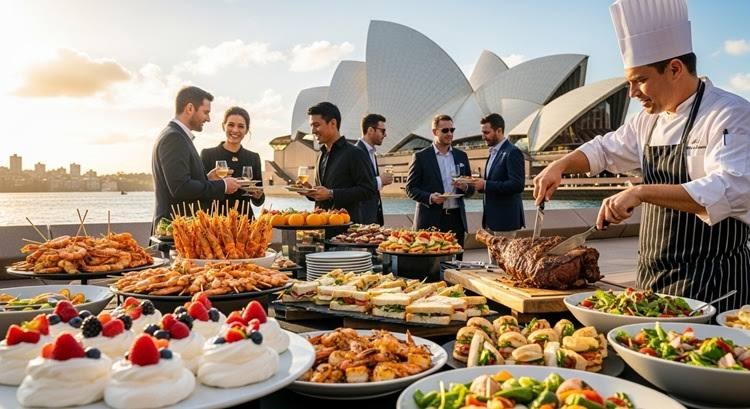
Planning an event in Sydney involves far more than choosing a venue, sending invitations and ordering enough food for the guest list. Whether it is a corporate conference in the Sydney CBD, a product launch in the Eastern Suburbs, a staff celebration in Western Sydney or a private function overlooking the Northern Beaches, guests increasingly expect the food experience to feel fresh, inclusive and thoughtfully planned.
This is where professional Catering Services Sydney can make a significant difference. A good caterer does more than prepare meals. They help coordinate service times, accommodate dietary requirements, work with seasonal NSW produce and ensure the menu suits the venue, guest profile and overall style of the event.
For Sydney event planners and corporate organisers, understanding what modern catering should deliver makes it easier to create events that feel polished without becoming unnecessarily complicated.
Sydney Events Are Becoming More Food-Focused
Food has always played an important role in events, but guest expectations have changed.
Attendees are increasingly interested in the quality of ingredients, menu variety, presentation and whether dietary requirements have been properly considered. At corporate events in particular, catering is often one of the few elements every guest experiences directly.
A well-planned lunch can improve the atmosphere of an all-day conference. Quality canapés can make a networking event feel more relaxed, while a thoughtfully designed shared menu can encourage conversation during a company celebration.
Poor catering, on the other hand, is noticed quickly.
Long queues, repetitive menu choices, inadequate portions or limited dietary options can affect the impression of an otherwise well-organised event.
The strongest catering plans therefore begin with the type of event and the people attending, rather than simply selecting a standard menu.
Make Seasonal NSW Produce Part of the Menu
One of the best ways to create a fresher and more interesting menu is to work with ingredients that suit the season.
Sydney has access to a wide range of produce grown throughout New South Wales and surrounding regions. Seasonal menu planning can help create better flavour while reducing unnecessary dependence on ingredients that are naturally less suitable at certain times of the year.
Summer
Sydney summers suit lighter, fresher dishes using ingredients such as:
- Tomatoes and capsicum
- Stone fruit and berries
- Fresh herbs
- Leafy salads
- Seafood and prawns
- Chilled desserts and fresh fruit
Autumn
Autumn menus can make use of mushrooms, figs, pumpkin, root vegetables and richer roasted flavours.
Winter
During cooler months, guests often appreciate warming soups, slow-cooked dishes, roasted vegetables and heartier mains.
Spring
Spring works well with lighter vegetables, asparagus, peas, herbs, fresh salads and colourful seasonal produce.
Seasonality is particularly important when planning Australian Christmas functions.
Christmas parties in Sydney take place during summer, so there is little reason to automatically copy heavy Northern Hemisphere festive menus.
For a December corporate event, dishes such as chilled prawns, grilled seafood, fresh salads, seasonal fruit, grazing platters and lighter desserts may be much more suitable for a warm Sydney afternoon.
The best menu should reflect the weather, venue and guests, rather than tradition alone.
Dietary Inclusivity Is Now a Standard Expectation
Dietary requirements should no longer be treated as unusual requests.
At almost any reasonably sized Sydney event, organisers can expect guests who are:
- Vegetarian
- Vegan
- Gluten-free
- Managing food allergies
- Avoiding particular ingredients for cultural or personal reasons
The important point is not simply whether an alternative dish is available.
Guests with dietary requirements should receive food that feels just as carefully considered as the main menu.
A vegan guest should not be presented with a basic salad while everyone else enjoys a complete meal. Similarly, gluten-free options should ideally feel like part of the menu rather than an afterthought.
Thoughtful options may include roasted vegetable dishes, quinoa salads, rice-based meals, grilled proteins, legumes, fresh fruit and naturally gluten-free desserts.
A Practical Tip for Event Planners
Collect dietary information during the RSVP or registration process.
Provide final numbers to your caterer as early as possible and clearly separate serious allergies from general dietary preferences. This gives the catering team enough time to plan preparation, service and food handling correctly.
Sustainable and Zero-Waste Catering Matters
Sustainability is becoming increasingly important to Australian businesses, especially organisations with environmental targets or ESG commitments.
As a result, catering decisions are being examined more carefully.
A practical zero-waste approach does not necessarily mean eliminating every piece of waste. Instead, it means making smarter decisions throughout the planning and service process.
This may include:
- More accurate guest forecasting
- Better portion planning
- Reducing excessive packaging
- Using reusable serviceware where practical
- Selecting seasonal ingredients
- Avoiding unnecessary menu duplication
- Planning how surplus food will be handled
Menu design can also help reduce waste.
For example, the same seasonal vegetables may be used intelligently across salads, sides and canapé selections rather than ordering separate ingredients for every dish.
Event organisers should also ask what happens to surplus food after the function.
Options depend on food safety requirements and the nature of the event, but a professional caterer should be able to explain how leftovers and waste are managed.
Catering Should Suit the Sydney Location
Sydney is geographically diverse, and catering requirements can vary considerably depending on where the event is being held.
Sydney CBD
Corporate breakfasts, boardroom lunches and conferences often require punctual delivery, compact presentation and food that can be served without disrupting meetings.
Western Sydney
Larger venues and higher guest numbers may require additional planning around delivery access, kitchen facilities, equipment and staffing.
Northern Beaches
Outdoor and coastal events can suit lighter menus, fresh seafood, salads and relaxed grazing options.
Inner West
Warehouse venues, creative spaces and community locations often work well with shared platters, canapé service and flexible food stations.
Eastern Suburbs
Private celebrations, corporate functions and premium events may place greater emphasis on presentation, service style and menu refinement.
Sutherland Shire
Outdoor venues, private properties and larger function spaces can require careful coordination around transport, refrigeration and food service.
Hills District
Corporate centres, private venues and larger event spaces often benefit from catering plans that consider parking, loading access and longer service windows.
Local knowledge matters because catering involves more than preparing food.
The team must understand how food reaches the venue, where equipment can be positioned, how long set-up will take and how service will operate once guests arrive.
Match the Catering Style to the Event
One common mistake is choosing a catering format before considering how guests will actually use the space.
A sit-down meal may work perfectly for an awards night but feel too formal for a networking event.
Canapé Catering
Canapés work particularly well when guests are expected to move around, network and hold conversations.
Grazing Tables
Grazing tables can create a relaxed atmosphere and allow guests to eat at their own pace.
However, placement needs to be considered carefully to avoid crowding.
Buffet Catering
Buffets can efficiently serve larger groups, but guest flow matters.
For a large corporate event, several service stations may work better than one long buffet queue.
Corporate Breakfasts and Workshops
These events often require food that is easy to eat without interrupting presentations or meetings.
Even small details matter.
If guests are holding drinks while networking, complicated dishes requiring knives and forks may not be practical. If a conference has only a 30-minute lunch break, the catering format needs to allow guests to be served quickly.
The catering style should support the event schedule rather than interfere with it.
Event Timing Can Make or Break Catering
Food service timing has a major influence on the overall guest experience.
For corporate events, organisers should review the full running schedule before confirming catering times.
If registration begins at 8:00 am, coffee and light breakfast items may need to be available immediately.
Morning tea should ideally coincide with an actual session break.
At an evening function, speeches, presentations and entertainment should also be considered.
If an important speech begins at 7:00 pm, it may not be ideal to have waitstaff moving through the room serving food at the same time.
Providing a detailed event running sheet allows the catering team to coordinate preparation, delivery and service more effectively.
Check the Venue Before Finalising the Menu
A great menu still needs to work within the practical limitations of the venue.
Before confirming catering, check:
- Whether a commercial kitchen is available
- What refrigeration facilities exist
- Whether hot food can be prepared or reheated on-site
- Whether there is lift or loading access
- Where catering equipment can be positioned
- Whether cooking is allowed inside or outside
- What power and water access is available
Outdoor events require even more planning.
Sydney weather can change quickly, and summer events may involve extreme heat, wind or unexpected rain.
Cold dishes must remain properly chilled, while hot dishes need to be maintained at safe serving temperatures.
Professional caterers plan these details before the event rather than trying to solve them during service.
Get the Guest Numbers Right
Event organisers naturally want to avoid running out of food, but simply ordering far more than required can increase both costs and waste.
The better approach is to provide the most accurate attendance estimate possible and update the caterer as RSVPs become clearer.
The type of event also influences quantity.
A two-hour cocktail function beginning at 5:00 pm may require a different amount of food from an evening event where guests expect the catering to replace dinner.
Similarly, a short afternoon conference break may require only light refreshments.
A professional caterer can recommend appropriate quantities based on:
- Guest numbers
- Event duration
- Time of day
- Service style
- Guest profile
- Whether the food replaces a full meal
Corporate Catering Should Reflect the Brand
For businesses, catering contributes to the overall impression created by an event.
This does not mean every dish needs to feature company branding.
Instead, the menu, presentation and service style should feel appropriate for the organisation and audience.
A premium client event may suit elegant canapés and attentive waitstaff.
A creative agency gathering may feel more natural with shared platters and relaxed food stations.
A wellness-focused organisation may prefer lighter meals, fresh produce and strong vegetarian or vegan options.
Presentation matters too.
Clean service areas, organised staff and attractive food displays help reinforce the sense that the event has been carefully planned.
Guests may not consciously analyse every detail, but they notice when everything runs smoothly.
Professional Catering Reduces Pressure on Organisers
One of the greatest benefits of professional catering is the reduction in logistical pressure.
Event planners may already be managing:
- Venues
- Invitations
- Speakers
- Entertainment
- Audio-visual requirements
- Suppliers
- Transport
- Seating
- Guest registrations
- Last-minute changes
Catering introduces another layer of responsibilities, including food quantities, dietary requirements, food safety, staffing, delivery, equipment and clean-up.
When these tasks are managed professionally, organisers can focus more attention on the event itself.
This becomes particularly valuable at larger Sydney functions where even a small service delay can affect hundreds of guests.
A Better Catering Brief Creates a Better Event
The quality of the final catering experience often begins with the initial brief.
Before requesting a catering proposal, provide as much useful information as possible, including:
Guest numbers: Approximate attendance and expected final confirmation date.
Venue: Full location and any known kitchen or access limitations.
Event times: Start time, finish time and proposed food service times.
Event format: Conference, networking function, product launch, staff party, wedding or another style of event.
Service preference: Canapés, buffet, grazing, plated dining or a combination.
Dietary requirements: Approximate numbers initially, followed by confirmed requirements closer to the event.
Budget: A realistic indication of available spend.
It also helps to explain what the event is trying to achieve.
A boardroom lunch, Christmas party, product launch and awards night may have similar guest numbers but completely different catering needs.
Clear communication early in the planning process usually leads to a better result with fewer last-minute changes.
Final Thoughts
Modern Sydney catering is about much more than serving large quantities of food.
Guests expect fresh ingredients, meaningful dietary options, seasonal menus and professional presentation. Businesses are paying greater attention to sustainability and waste. Event planners need catering that fits naturally with the venue, schedule and movement of guests.
From the Sydney CBD and Inner West to Western Sydney, the Northern Beaches, Eastern Suburbs, Hills District and Sutherland Shire, every event brings different practical considerations.
The most effective catering plan is rarely the most complicated one.
It is the one that understands the audience, makes sensible use of seasonal NSW produce, accommodates guests properly and allows the food service to feel like a natural part of the event.
When these fundamentals are handled well, catering does more than feed the room. It helps create an event that feels organised, welcoming and genuinely enjoyable.
