
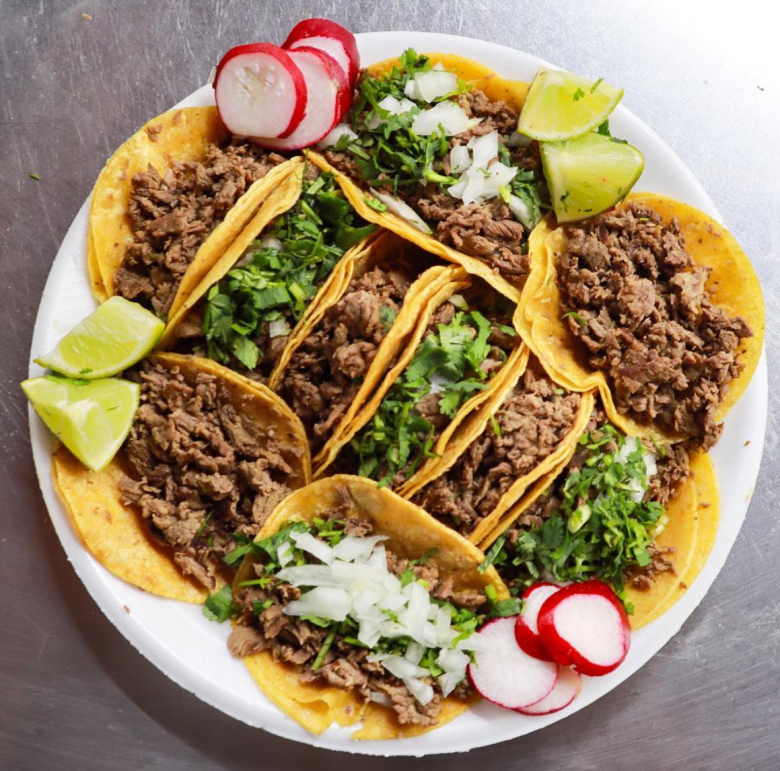
Texas Mexican food reflects generations of culinary exchange between Mexican traditions and the food culture of Texas. From handmade tortillas and seasoned meats to chile-based sauces, beans, and rice, the cuisine combines familiar Mexican ingredients with regional influences. Understanding these ingredients and cooking methods helps explain why Texas Mexican food has become an important part of the state’s culinary identity.
What Is Texas Mexican Food?
Texas Mexican food describes a broad culinary tradition shaped by Mexican heritage, Texan ingredients, and generations of cooking practices along the U.S.-Mexico border. The style is closely associated with Tex-Mex cuisine, although the two terms can describe different dishes, restaurants, and regional traditions depending on location.
Corn tortillas, flour tortillas, beans, beef, cheese, peppers, tomatoes, and onions are common ingredients found across Texas Mexican cooking. Regional restaurants such as Benito’s Mexican Restaurant and countless family-owned establishments use combinations of these ingredients to create tacos, enchiladas, fajitas, burritos, and other familiar dishes.
The cuisine has deep historical connections to Tejano communities in South Texas and Mexican-American communities throughout the state. San Antonio, El Paso, Laredo, and the Rio Grande Valley have each contributed distinctive traditions involving ingredients, preparation methods, and serving styles.
Texas Mexican food also varies considerably by region. A restaurant in El Paso may emphasize chile-based dishes influenced by northern Mexican cooking, while establishments in Central or South Texas may feature flour tortillas, smoked meats, queso, and other ingredients associated with local food traditions.
Key Characteristics of Texas Mexican Food
Seasoned meat is one of the defining components of many Texas Mexican dishes. Beef, chicken, and pork can be marinated with combinations of garlic, cumin, chile peppers, citrus, and herbs before being grilled, roasted, braised, or cooked on a griddle.
Tortillas provide another important foundation. Corn tortillas have ancient roots in Mesoamerican cuisine, while flour tortillas became particularly prominent in northern Mexico and parts of Texas. Both varieties can be used for tacos, enchiladas, quesadillas, and other preparations.
Chiles contribute flavor, aroma, and varying degrees of heat. Jalapeños, poblanos, serranos, ancho chiles, and other peppers can be roasted, blended into sauces, stuffed, or incorporated into marinades.
Beans and rice frequently accompany main dishes as side items or components of larger meals. Refried beans, seasoned rice, black beans, and pinto beans can provide texture and balance alongside grilled meats, tortillas, cheese, and salsa.
Cheese is another recognizable feature of many Texas Mexican and Tex-Mex dishes. Cheddar, Monterey Jack, queso fresco, and other cheeses may appear in enchiladas, quesadillas, tacos, nachos, and queso-based appetizers.
How Texas Mexican Food Developed
The development of Texas Mexican food reflects centuries of interaction between Mexican and Texan food traditions. Spanish colonization introduced European ingredients and cooking practices to Mexico, while Indigenous communities contributed foundational foods such as corn, beans, squash, chiles, and tomatoes.
San Antonio became an important center for Mexican-American food culture as its population and commercial districts developed. The city’s historic Tex-Mex restaurant tradition helped popularize dishes such as enchiladas, tamales, chili, and combination plates beyond local communities.
The introduction of beef and cattle culture also influenced Texas cuisine. Ranching traditions contributed grilled and smoked meats to the broader regional food landscape, creating opportunities for Mexican cooking techniques and Texas barbecue traditions to influence one another.
Migration further diversified the cuisine throughout the twentieth century. Mexican-American families brought regional recipes from states such as Chihuahua, Coahuila, Nuevo León, and Tamaulipas, while Texas communities adapted those recipes according to locally available ingredients.
Modern Texas Mexican food therefore represents several overlapping traditions rather than a single standardized cooking style. Family recipes, regional ingredients, restaurant practices, and contemporary culinary trends continue to shape the dishes served throughout the state.
Texas Mexican Food Applications
Tacos are among the most versatile examples of Texas Mexican cooking. Grilled beef, chicken, pork, or vegetables can be combined with tortillas, onions, cilantro, salsa, avocado, or other toppings to create meals ranging from simple street-style tacos to elaborate restaurant preparations.
Enchiladas provide another example of how ingredients are layered into a complete dish. Corn tortillas are typically filled, rolled, covered with sauce, and baked or heated with cheese and other toppings, with variations depending on regional and family traditions.
Fajitas have become especially associated with Texas restaurant culture. Traditionally linked to grilled skirt steak, fajitas are commonly served sizzling with flour tortillas, peppers, onions, salsa, guacamole, and other accompaniments.
Tamales demonstrate the importance of corn-based cooking techniques. Masa is prepared with a filling such as seasoned meat, wrapped in corn husks, and steamed until the dough reaches the appropriate consistency.
Breakfast dishes also demonstrate the versatility of Texas Mexican food. Breakfast tacos can combine eggs with potatoes, beans, bacon, sausage, cheese, or salsa inside a flour or corn tortilla, making them a popular option across Texas.
Salsas provide another layer of regional variation. Fresh tomato salsa, roasted chile salsa, tomatillo salsa, and smoky sauces can range from mild to intensely spicy while adding acidity and complexity to tacos, grilled meats, enchiladas, and other dishes.
Exploring Texas Mexican Food at a Restaurant
Eating at a Mexican restaurant provides an opportunity to experience combinations of ingredients that may be difficult to reproduce at home. Restaurants such as Benito’s Mexican Restaurant can bring together tortillas, grilled meats, sauces, beans, rice, cheese, and fresh toppings within a single menu.
Menu variety can also reveal regional influences. Customers may encounter tacos, enchiladas, fajitas, tamales, burritos, quesadillas, and combination plates, with each dish offering different combinations of cooking techniques and ingredients.
Fresh preparation can make a noticeable difference in dishes that depend on texture. Warm tortillas, freshly prepared salsa, grilled meats, and properly cooked rice or beans can create contrasts that packaged ingredients may not reproduce as effectively.
Restaurant dining also provides a way to explore unfamiliar dishes gradually. Someone accustomed to mild tacos can try a chile-based enchilada, while a diner familiar with beef fajitas might explore chicken, seafood, vegetable, or tamale preparations.
For anyone interested in experiencing Texas Mexican food at Benito’s Mexican Restaurant, exploring several dishes rather than ordering the same preparation every time can provide a broader understanding of the cuisine’s ingredients and regional influences.
Frequently Asked Questions
What makes Texas Mexican food different from traditional Mexican food?
Texas Mexican food reflects Mexican culinary traditions combined with ingredients, cooking practices, and cultural influences that developed in Texas. Beef, flour tortillas, queso, chili, and grilled meats are particularly common in many Texas interpretations.
Is Texas Mexican food the same as Tex-Mex?
The terms overlap but are not always identical. Tex-Mex generally describes a distinct Mexican-American culinary tradition that developed in Texas, while Texas Mexican food can encompass a wider range of regional Mexican and Mexican-American cooking.
What are the most popular Texas Mexican food dishes?
Tacos, enchiladas, fajitas, tamales, burritos, quesadillas, and combination plates are widely associated with Texas Mexican restaurants. Ingredients such as beef, chicken, beans, cheese, rice, tortillas, and chiles appear across many of these dishes.
What meats are commonly used in Texas Mexican food?
Beef, chicken, pork, and occasionally seafood are common choices. Beef has a particularly strong connection to Texas food culture and appears in dishes such as fajitas, carne guisada, tacos, and grilled plates.
Are flour tortillas traditional in Texas Mexican cuisine?
Yes, flour tortillas have a long history in northern Mexico and became especially prominent in parts of Texas. They are commonly used for breakfast tacos, burritos, fajitas, and other regional dishes.
What ingredients give Texas Mexican food its flavor?
Chiles, garlic, cumin, onions, tomatoes, cilantro, citrus, beans, cheese, and seasoned meats contribute many of the cuisine’s characteristic flavors. Cooking techniques such as grilling, roasting, braising, and slow cooking also influence the final taste.
Is Texas Mexican food always spicy?
No, Texas Mexican food can range from mild to very spicy depending on the recipe and type of chile used. Jalapeños, poblanos, serranos, ancho chiles, and other peppers each contribute different levels of heat and flavor.
How can I explore Texas Mexican food if I am new to the cuisine?
Start with familiar dishes such as tacos, enchiladas, or fajitas and then try regional specialties such as tamales or chile-based dishes. A Mexican restaurant such as Benito’s Mexican Restaurant can also provide an opportunity to sample several preparations from one menu.
