
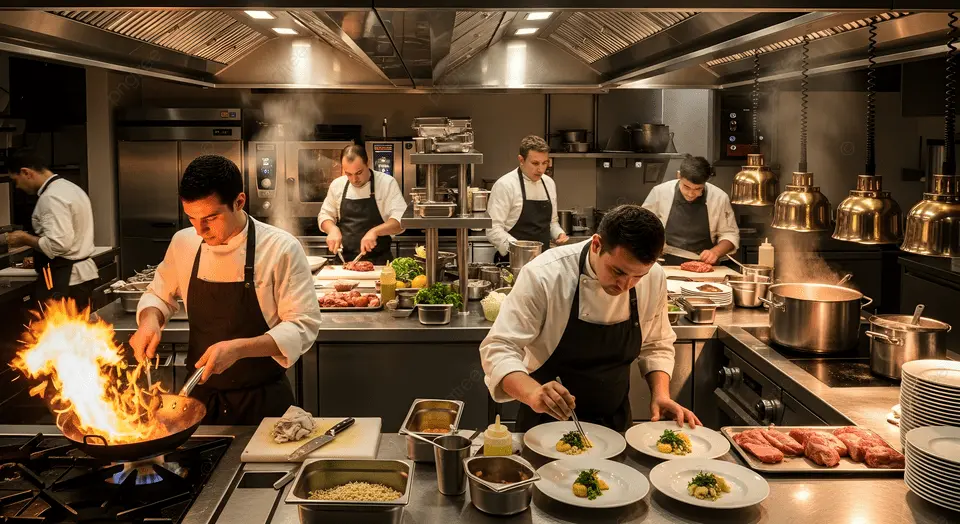
In the culinary world, chefs walk a fine line between innovation and reliability. Diners expect dishes that surprise and delight, yet they also demand the same taste, texture, and presentation every time they visit. This dual expectation creates a unique challenge—how to stay creative without sacrificing consistency.
Understanding how chefs manage this balance reveals the discipline, systems, and mindset behind every successful kitchen.
The Importance of Creativity in Cooking
Creativity fuels a chef’s identity. It allows them to stand out, adapt to trends, and express their culinary voice.
Why Creativity Matters
- Keeps menus exciting: Regular customers seek new experiences.
- Encourages innovation: Chefs experiment with flavors, techniques, and presentation.
- Builds a signature style: Unique dishes define a chef’s reputation.
- Adapts to seasons: Fresh, seasonal ingredients inspire new creations.
Creativity is often most visible in special menus, tasting courses, or seasonal updates, where chefs have more freedom to explore.
Why Consistency Is Non-Negotiable
While creativity attracts diners, consistency keeps them coming back.
The Role of Consistency
- Maintains trust: Guests expect the same quality every visit.
- Protects brand reputation: A single inconsistent dish can harm credibility.
- Ensures smooth operations: Standardization helps kitchen teams perform efficiently.
- Supports scalability: Essential for multi-location restaurants.
A restaurant may impress once with creativity, but it succeeds long-term through reliable execution.
Standardization: The Backbone of Consistency
To maintain uniformity, chefs rely on structured systems.
Key Standardization Practices
- Detailed recipes: Precise measurements, cooking times, and plating instructions.
- Prep routines: Ingredients are pre-measured and prepped in advance.
- Training protocols: Staff are trained to replicate dishes exactly.
- Quality checks: Head chefs review dishes before they leave the kitchen.
These systems ensure that even during busy service hours, every plate meets the same standard.
Controlled Creativity: Where Innovation Fits In
Creativity doesn’t disappear in structured kitchens—it’s simply channeled carefully.
How Chefs Innovate Without Disrupting Consistency
- Testing in advance: New dishes are developed and refined before being added to the menu.
- Limited-time specials: Allows experimentation without affecting core offerings.
- Seasonal updates: Introduce change while keeping familiar favorites.
- Ingredient swaps: Small tweaks maintain structure while adding novelty.
This approach allows chefs to innovate while protecting the restaurant’s core identity.
The Role of Team Coordination
Consistency is never a solo effort—it’s a team achievement.
Building a Reliable Kitchen Team
- Clear communication: Every team member understands expectations.
- Defined roles: Each station has specific responsibilities.
- Practice and repetition: Rehearsing dishes ensures precision.
- Feedback loops: Continuous improvement through reviews and adjustments.
A well-trained team ensures that creativity from the head chef translates into consistent execution on every plate.
Technology and Tools in Modern Kitchens
Modern kitchens use technology to support both creativity and consistency.
Helpful Tools
- Digital recipe management systems
- Kitchen display systems (KDS)
- Temperature control devices
- Inventory tracking software
These tools reduce human error and allow chefs to focus more on innovation while maintaining standards.
Balancing Customer Expectations
Customers play a key role in shaping how chefs balance these two forces.
Understanding Diners
- Some guests prefer familiar favorites
- Others seek new culinary experiences
- Many want a mix of both
Successful chefs design menus that offer stable classics alongside rotating innovations, satisfying a broad audience.
The Mindset of a Successful Chef
Ultimately, balancing creativity and consistency comes down to mindset.
Key Traits
- Discipline: Following systems without shortcuts
- Curiosity: Continuously exploring new ideas
- Adaptability: Adjusting to feedback and trends
- Attention to detail: Ensuring every dish meets standards
Great chefs understand that creativity thrives best within a framework of structure.
Conclusion
Balancing creativity and consistency is both an art and a science. Chefs must innovate to stay relevant while maintaining the reliability that builds trust. Through structured systems, teamwork, and controlled experimentation, they achieve harmony between these two essential elements.
The result? Dishes that are not only exciting but also dependable—every single time.
Frequently Asked Questions (FAQs)
1. How do chefs ensure consistency across multiple locations?
They use standardized recipes, staff training programs, and quality control systems to replicate dishes accurately in every location.
2. Can creativity affect food quality negatively?
Yes, if not tested properly. That’s why chefs experiment in controlled environments before introducing new dishes to customers.
3. How often do restaurants change their menus?
It varies, but many update menus seasonally while keeping core dishes unchanged.
4. What is a signature dish?
A signature dish is a unique creation that represents a chef’s style and is consistently served at a high standard.
5. How do chefs train staff for consistency?
Through hands-on training, clear documentation, and repeated practice to ensure every team member follows the same methods.
6. Do all restaurants focus equally on creativity?
No. Fine dining restaurants often emphasize creativity more, while casual dining may prioritize consistency.
7. What role do customer reviews play in this balance?
Customer feedback helps chefs refine dishes, maintain consistency, and decide when to innovate or adjust menus.
