
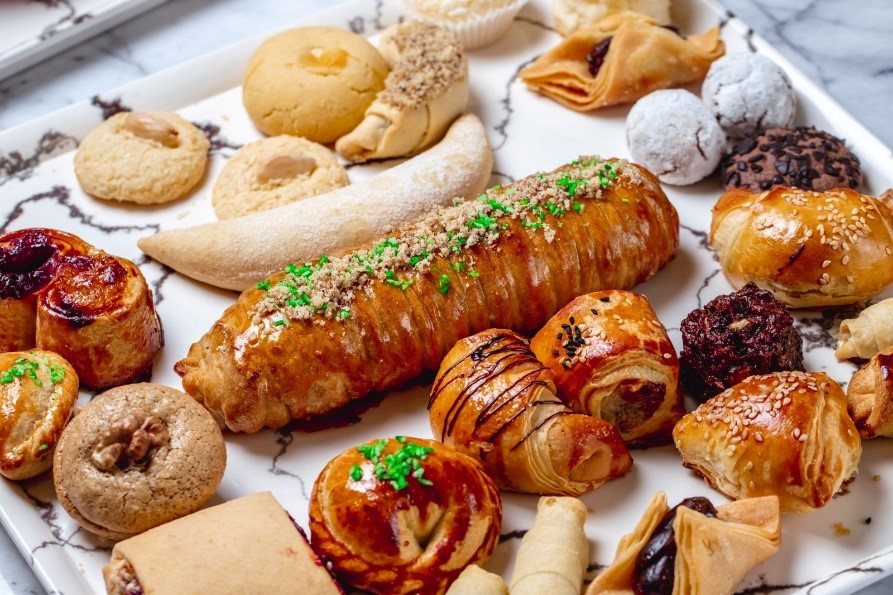
Understanding how flavors interact can transform ordinary meals into unforgettable experiences. Food pairing is not just a chef’s trick—it’s a practical skill anyone can learn. When done right, it enhances taste, balances textures, and creates harmony on your plate.
What Is Food Pairing?
Food pairing is the art of combining ingredients based on their flavor profiles, aromas, textures, and even chemical compounds. Some combinations work because they share similar characteristics, while others succeed by creating contrast.
The Science Behind Food Pairing
Flavor is more than taste—it involves smell, texture, and even temperature. Ingredients that share common aroma compounds often pair well together. This explains why unexpected combinations like chocolate and chili or strawberries and balsamic vinegar work so beautifully.
Classic Flavor Pairing Principles
1. Match Similar Flavors
Ingredients with similar flavor profiles naturally complement each other.
- Cream + butter + cheese
- Tomato + basil + olive oil
- Vanilla + cream + sugar
These combinations create a smooth, cohesive taste.
2. Balance Opposites
Contrasting flavors can elevate a dish by creating balance.
- Sweet + salty (caramel and sea salt)
- Acidic + fatty (lemon and fish)
- Bitter + sweet (dark chocolate and sugar)
Opposites attract in food just as much as in nature.
Texture Matters More Than You Think
A dish becomes more interesting when it combines different textures.
- Crunchy + creamy → Nuts with yogurt
- Soft + crispy → Fried chicken with mashed potatoes
- Chewy + smooth → Bread with butter
Texture adds excitement and prevents monotony in every bite.
The Role of Aroma in Pairing
Smell contributes significantly to taste. Ingredients that share aromatic compounds tend to pair well.
Examples include:
- Coffee and chocolate
- Garlic and onions
- Cinnamon and apples
These combinations feel natural because your brain recognizes their shared scent patterns.
Regional Pairing Wisdom
Traditional cuisines often rely on time-tested pairings:
- Italian cuisine → Tomato, basil, olive oil
- Indian cuisine → Spices like cumin, coriander, turmeric
- Japanese cuisine → Soy sauce, wasabi, seafood
These combinations evolved over generations and rarely fail.
Sweet and Savory Pairing Secrets
Blending sweet and savory flavors can create depth and complexity.
- Honey with fried chicken
- Maple syrup with bacon
- Pineapple with pizza or grilled meat
The key is balance—neither flavor should overpower the other.
Don’t Forget About Temperature
Temperature influences how flavors are perceived.
- Warm desserts with cold ice cream
- Hot soups with cool garnishes
- Grilled meat with fresh salads
This contrast enhances both taste and experience.
Herbs and Spices: The Hidden Connectors
Herbs and spices can bridge flavors that might not otherwise work together.
- Basil pairs well with fruits and vegetables
- Rosemary enhances meats and potatoes
- Mint works with both sweet desserts and savory dishes
They act as flavor enhancers and connectors.
How to Experiment Like a Pro
You don’t need to be a chef to master food pairing. Start small:
- Combine familiar ingredients first
- Taste as you go
- Keep notes of what works
- Try one new pairing at a time
Mistakes are part of the learning process—and sometimes lead to surprising discoveries.
Common Pairing Mistakes to Avoid
- Overcomplicating dishes with too many flavors
- Ignoring balance (too sweet, too salty, etc.)
- Forgetting texture and aroma
- Using overpowering ingredients without control
Simplicity often leads to the best results.
FAQ: Food Pairing Secrets
1. What is the easiest way to start learning food pairing?
Begin with classic combinations like tomato and basil or chocolate and vanilla, then gradually experiment with variations.
2. Why do some unusual food pairings work?
They often share similar aroma compounds or create a pleasing contrast that excites the palate.
3. Is food pairing based on science or tradition?
It’s a mix of both—scientific flavor compounds and cultural culinary practices.
4. Can I mix ingredients from different cuisines?
Yes, fusion cooking is popular, but balance and harmony are key to making it work.
5. How do I fix a dish with poor flavor pairing?
Adjust with salt, acid (like lemon), sweetness, or herbs to restore balance.
6. Do textures really affect taste?
Yes, texture influences how enjoyable a dish feels, even if the flavors are good.
7. Are there tools or apps for food pairing ideas?
Yes, several apps and charts exist that suggest pairings based on flavor compounds and culinary trends.
