
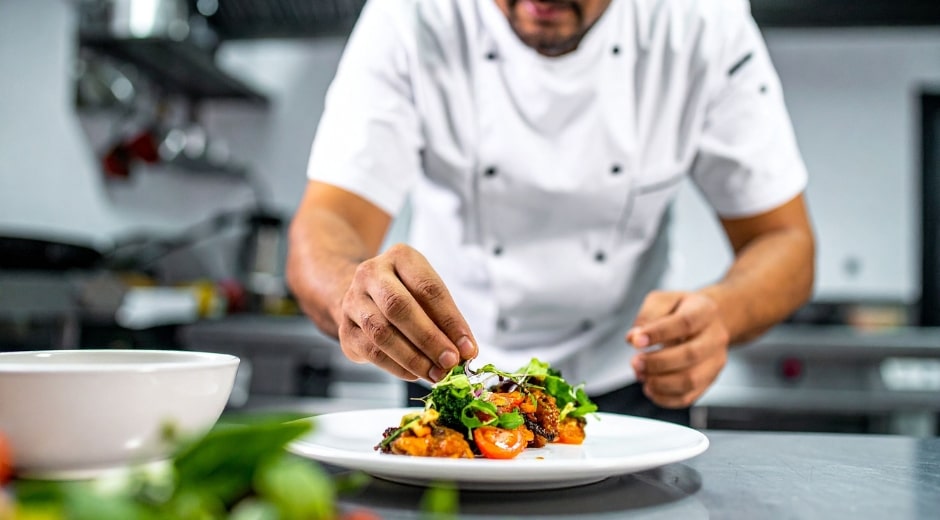
Cooking isn’t just about following recipes—it’s about mastering small techniques that transform ordinary dishes into something memorable. Professional chefs rely on simple but powerful habits that elevate flavor, texture, and presentation. The good news? You don’t need a culinary degree to use them.
Below are practical, chef-level cooking tips you can apply immediately to improve your meals.
Master the Art of Seasoning
Seasoning is the foundation of great cooking. It’s not just about adding salt at the end—it’s about building flavor step by step.
Key techniques:
- Season in layers: Add salt during different stages of cooking, not just at the end.
- Taste frequently: Your palate is your best tool.
- Use acid wisely: Lemon juice or vinegar can brighten flavors instantly.
- Balance matters: Combine salty, sweet, sour, and bitter elements.
Pro tip: If your dish tastes flat, it often needs a pinch of salt or a splash of acid—not more spices.
Control Heat Like a Professional
Heat control is one of the biggest differences between amateur and professional cooking.
Understand heat levels:
- High heat: Ideal for searing meat and locking in flavor.
- Medium heat: Best for sautéing vegetables evenly.
- Low heat: Perfect for simmering sauces without burning.
Common mistake: Cooking everything on high heat leads to burnt outsides and raw insides.
Use Sharp Knives and Proper Cutting Techniques
A sharp knife doesn’t just make cooking easier—it improves your food’s texture and presentation.
Why it matters:
- Ensures even cooking with uniform cuts
- Preserves ingredients’ natural structure
- Reduces prep time significantly
Basic rule: A dull knife is more dangerous than a sharp one because it slips easily.
Don’t Overcrowd the Pan
If your food turns soggy instead of crispy, overcrowding is likely the culprit.
What happens when you overcrowd:
- Food steams instead of browning
- Moisture builds up in the pan
- Texture becomes soft and dull
Fix:
- Cook in batches
- Leave space between ingredients
- Use a larger pan when needed
Let Your Food Rest
Resting isn’t just for chefs—it’s essential for juicy, flavorful results.
Why it works:
- Allows juices to redistribute inside the meat
- Prevents dryness when cutting
Guideline:
- Small cuts: rest 5 minutes
- Larger cuts: rest 10–15 minutes
Cutting too early releases all the juices onto the plate instead of keeping them in the food.
Use Fresh Ingredients Whenever Possible
Fresh ingredients naturally deliver better flavor, aroma, and texture.
Focus on:
- Fresh herbs instead of dried (when possible)
- Seasonal vegetables
- High-quality oils and spices
Insight: Even a simple dish can taste gourmet when made with fresh, high-quality ingredients.
Learn to Deglaze for Instant Flavor
Deglazing is a quick trick that adds restaurant-level flavor.
How it works:
- After cooking, brown bits (fond) stick to the pan
- Add liquid (wine, broth, or water)
- Scrape and dissolve those bits into a sauce
Result: A rich, flavorful base for sauces in seconds.
Understand the Importance of Texture
Great dishes aren’t just about flavor—they’re about texture contrast.
Examples:
- Crunchy + creamy (crispy chicken with sauce)
- Soft + crisp (salad with toasted nuts)
- Tender + charred (grilled vegetables)
Adding texture makes dishes more interesting and satisfying.
Prep Before You Cook (Mise en Place)
“Mise en place” means having everything ready before you start cooking.
Benefits:
- Reduces stress while cooking
- Prevents mistakes
- Improves timing and efficiency
Simple habit: Chop, measure, and organize ingredients before turning on the stove.
Finish with the Right Touch
The final step often makes the biggest difference.
Finishing touches include:
- A drizzle of olive oil
- Fresh herbs
- A squeeze of citrus
- A pinch of flaky salt
These small additions enhance aroma, flavor, and visual appeal.
Frequently Asked Questions (FAQs)
1. What is the most important cooking skill to learn first?
Mastering seasoning and heat control are the most impactful beginner skills.
2. Why does restaurant food taste better than home-cooked meals?
Restaurants use proper seasoning, high heat techniques, and finishing touches that enhance flavor.
3. How can I make my food more flavorful without adding too much salt?
Use acids like lemon juice, fresh herbs, garlic, and spices to boost flavor naturally.
4. What is the biggest mistake home cooks make?
Overcrowding the pan and not tasting food during cooking are very common mistakes.
5. How do I know if my pan is hot enough?
A drop of water should sizzle and evaporate quickly—this indicates proper heat.
6. Is it necessary to follow recipes exactly?
Not always. Recipes are guidelines—adjust seasoning and ingredients to your taste.
7. How can I improve presentation at home?
Use clean plates, add garnishes, and focus on color contrast for a more appealing dish.
