
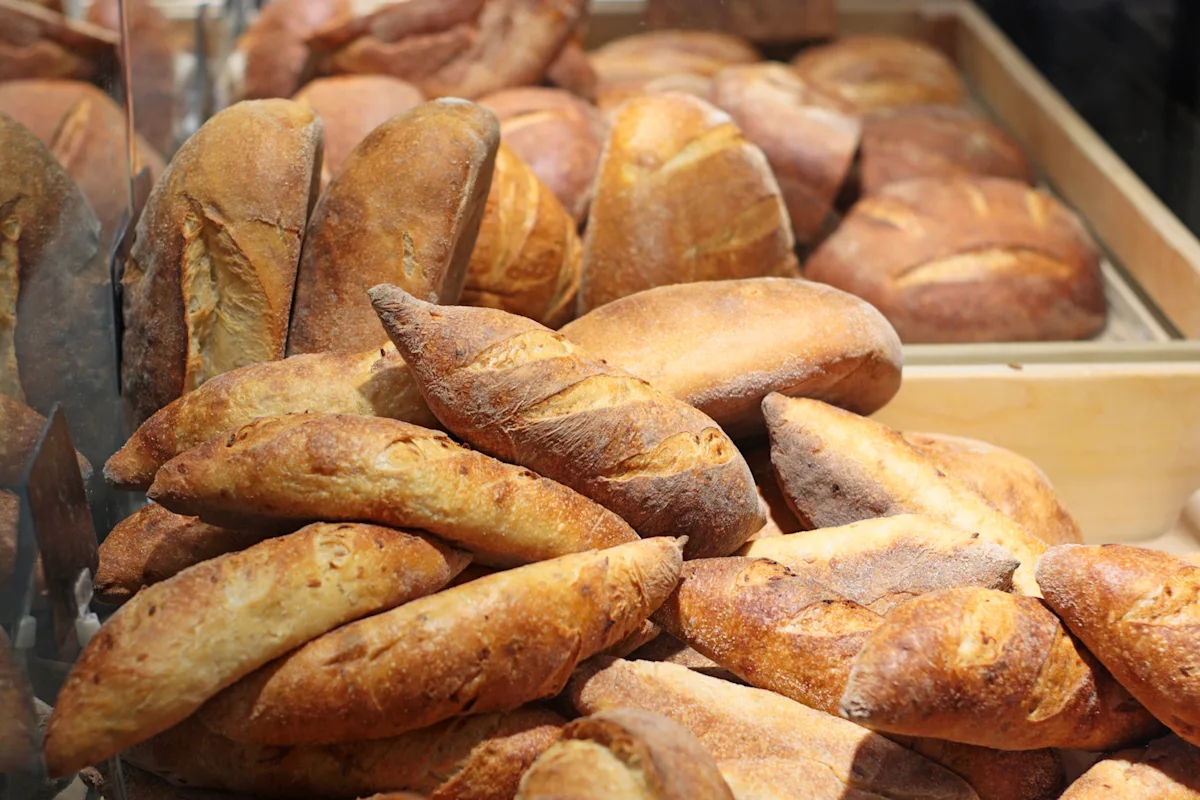
The Timeless Appeal of Homemade Bread
There’s something deeply comforting about the smell of bread baking in your kitchen. It signals warmth, care, and a connection to a tradition that stretches back thousands of years. While store-bought bread offers convenience, freshly baked bread continues to stand out for reasons that go far beyond nostalgia.
From taste and nutrition to emotional satisfaction, homemade bread delivers an experience that packaged loaves simply cannot replicate.
Superior Taste and Texture
One of the most obvious differences lies in flavor.
Freshly baked bread offers:
- A crisp, golden crust with a satisfying crunch
- A soft, airy interior that melts in your mouth
- A richer, more complex flavor profile
Store-bought bread, on the other hand, is often engineered for shelf life rather than taste. Additives and preservatives can dull the natural flavors of the grains.
Fresh bread tastes alive—because it is.
Better Ingredients, Better Health
When you bake your own bread, you control exactly what goes into it.
Key advantages include:
- No artificial preservatives
- No unnecessary sugars or conditioners
- Option to use whole grains, seeds, and organic flour
Many commercial breads contain hidden ingredients to extend shelf life or improve texture artificially. Homemade bread eliminates these compromises, making it a cleaner and often healthier choice.
Freedom to Customize
Make It Your Way
With homemade bread, creativity has no limits.
You can tailor recipes to suit your preferences or dietary needs:
- Gluten-free or low-carb variations
- Herb-infused loaves like rosemary or garlic
- Multigrain blends with seeds and nuts
This flexibility allows you to experiment and create something uniquely yours—something no factory can replicate.
A More Natural Process
Fresh bread is often made using traditional techniques like slow fermentation. This process not only enhances flavor but can also improve digestibility.
In contrast, mass-produced bread is typically made quickly using industrial methods that prioritize speed over quality.
Why slow baking matters:
- Develops deeper flavors
- Improves texture
- Supports better digestion
Emotional and Sensory Satisfaction
More Than Just Food
Baking bread is more than a culinary task—it’s an experience.
- The tactile pleasure of kneading dough
- The anticipation as it rises
- The aroma filling your home
These moments create a sense of accomplishment and comfort that no store-bought loaf can offer. It turns a basic food into something meaningful.
Cost vs. Value
At first glance, store-bought bread might seem cheaper. But when you consider:
- Ingredient quality
- Nutritional value
- Portion size and freshness
Homemade bread often provides better overall value. A single batch can yield multiple loaves at a fraction of the cost of premium artisanal bread.
Fewer Preservatives, Shorter Shelf Life—And That’s a Good Thing
Fresh bread doesn’t last as long—and that’s actually a sign of quality.
Without chemical preservatives:
- Bread stays natural
- Spoilage reflects real food behavior
- You’re consuming something closer to its original form
It encourages mindful consumption rather than relying on overly processed food.
Environmental Impact
Homemade bread can also be a more sustainable option.
Benefits include:
- Reduced packaging waste
- Lower transportation footprint
- Ability to source local ingredients
Even small changes like baking your own bread can contribute to a more eco-friendly lifestyle.
Final Thoughts
Freshly baked bread isn’t just better—it’s different in every meaningful way. It offers superior taste, better nutrition, creative freedom, and a deeper connection to what you eat.
While store-bought bread will always have its place for convenience, homemade bread remains unmatched in quality and experience. Once you’ve tasted it warm from the oven, it’s hard to go back.
Frequently Asked Questions (FAQs)
1. Is homemade bread always healthier than store-bought?
Generally, yes. Homemade bread avoids preservatives and additives, allowing you to use high-quality, natural ingredients.
2. Why does store-bought bread last longer?
It contains preservatives and stabilizers that extend shelf life, which homemade bread typically lacks.
3. Does baking bread at home save money?
It can, especially if you bake regularly. Basic ingredients like flour, yeast, and water are inexpensive.
4. Is it difficult to bake bread at home?
Not at all. Simple recipes require minimal ingredients and basic techniques, making it beginner-friendly.
5. What type of flour is best for homemade bread?
Bread flour is ideal for structure, but whole wheat or all-purpose flour can also be used depending on preference.
6. Can homemade bread be stored for later use?
Yes, you can freeze it to extend its life without compromising much on taste or texture.
7. Why does homemade bread taste better?
Because it’s fresh, free of artificial additives, and often made using slower, flavor-enhancing processes.
